Operational Technology (OT) Defender Fellowship

Advanced training for select critical energy sector managers

Protecting the nation’s energy infrastructure is essential to security, the economy, and public safety. Security managers are on the front lines, handling everything from cyber threats to physical breaches — often with limited resources.

To support these key defenders, the U.S. Department of Energy’s Office of Cybersecurity, Energy Security, and Emergency Response (CESER) created the Operational Technology (OT) Defender Fellowship Program. This selective program helps mid- and senior-level OT security managers deepen their understanding of how state and nonstate actors target U.S. energy systems — and how the U.S. government counters those threats.

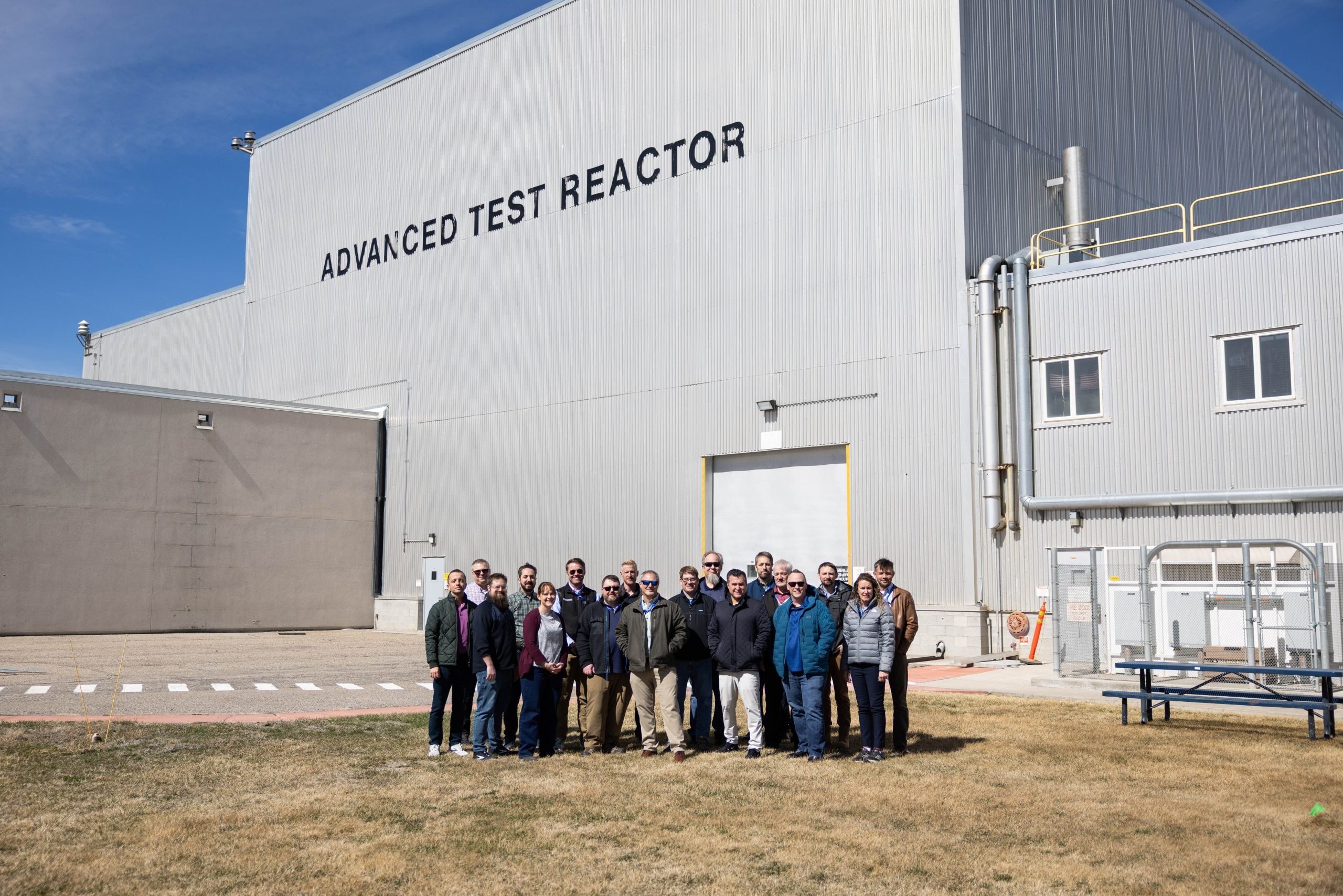
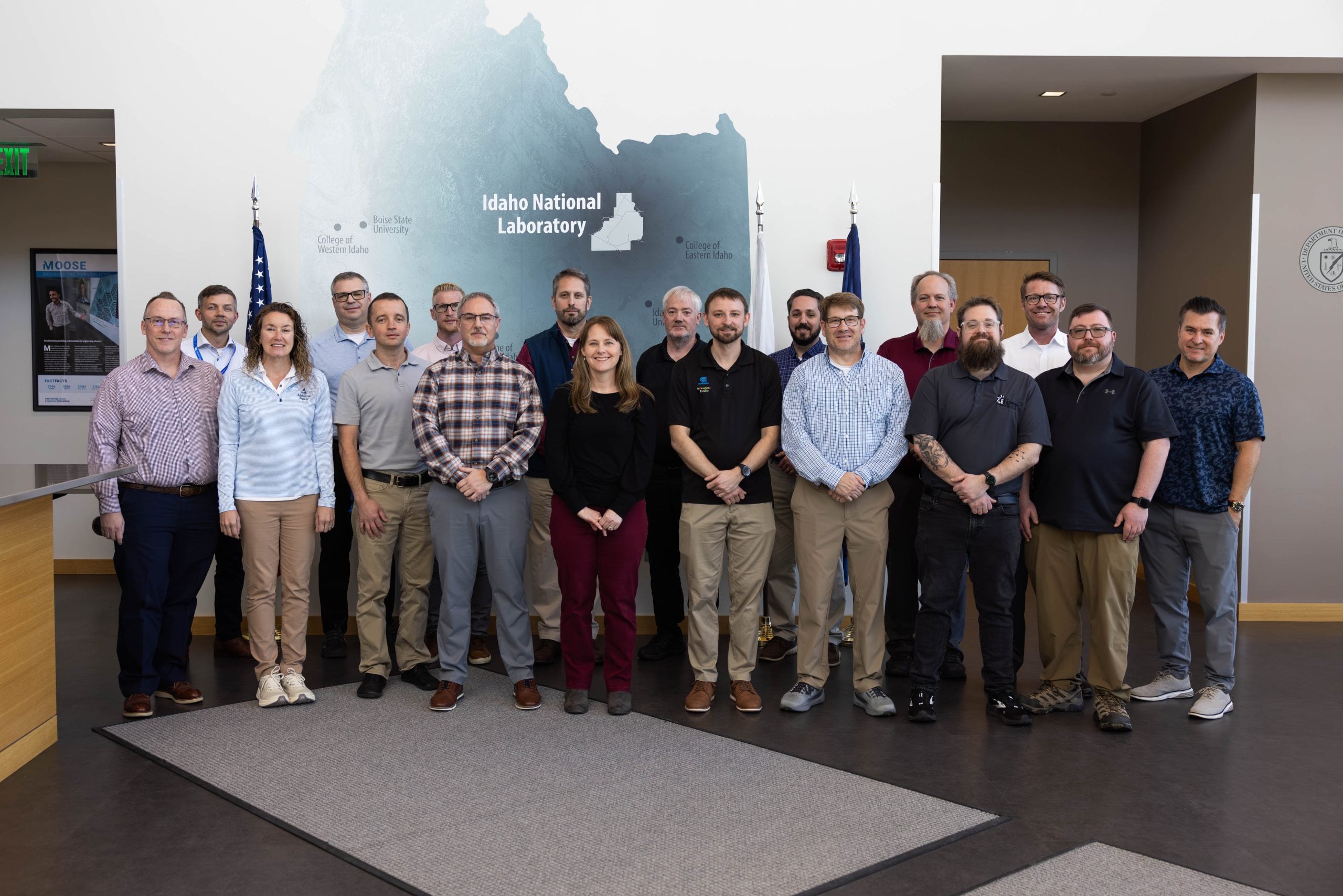
The fellowship is sponsored by DOE and hosted by Idaho National Laboratory (INL), with support from the Foundation for Defense of Democracies’ Center on Cyber and Technology Innovation.

From DOE Leadership
Why the OT Defender Fellowship Matters

Hear from U.S. Department of Energy leadership on the importance of strengthening the security and resilience of the nation’s energy sector and supporting the cybersecurity workforce that helps protect critical infrastructure.

OT Defender Fellowship Application Requirements

The OT Defender Fellowship offers one cohort per year with a small number of highly qualified participants per cohort. 

  • Be in a management role in a U.S. energy sector asset owner or operator organization, with decision-making authority and oversight responsibility for the security or operations of operational technology systems – senior enough to influence the strategy and tactics of the organization, and in touch with how the work is performed on the front lines
  • Have the support of their manager and of the organization’s leadership
  • Commit to the requirements of the fellowship, including attending quarterly in-person seminars (at participant’s cost), and completing assigned activities between seminars to build utility perspective and promote information sharing
  • Be a U.S. citizen (required)
  • Eligible to hold an active federal security clearance

Highlights

DOE Announces Call for 2026 Fellowship Applications
Office of the National Cybersecurity Director (ONCD) updates strategy
Samantha Ravich and Tim Pospisil join Dale Peterson to discuss the US Department of Energy’s OT Defender Fellowship Program.
INL’s Sam Chanoski testifies in Oversight and Investigations Subcommittee Hearing
The OT Defender Fellowship is a highly selective educational opportunity that gives its fellows an exclusive, insider view of how the government functions.
Securing our energy infrastructure is not an abstract policy idea, it is an immediate need…

Achieve OT Excellence @ INL

  • Develop a keener understanding of the OT threat landscape and strengthen capabilities to defend similar environments
  • Engage with cyber experts and warfighters from relevant U.S. government organizations, commands, and services to gain greater insights into the tactics and techniques of cyber adversaries
  • Learn about the geopolitical context and strategy in which cyberattacks occur and the defensive measures employed by U.S. government cyber operators
  • Build beneficial relationships with key government agencies working to defend the nation from cyberthreats

Curriculum

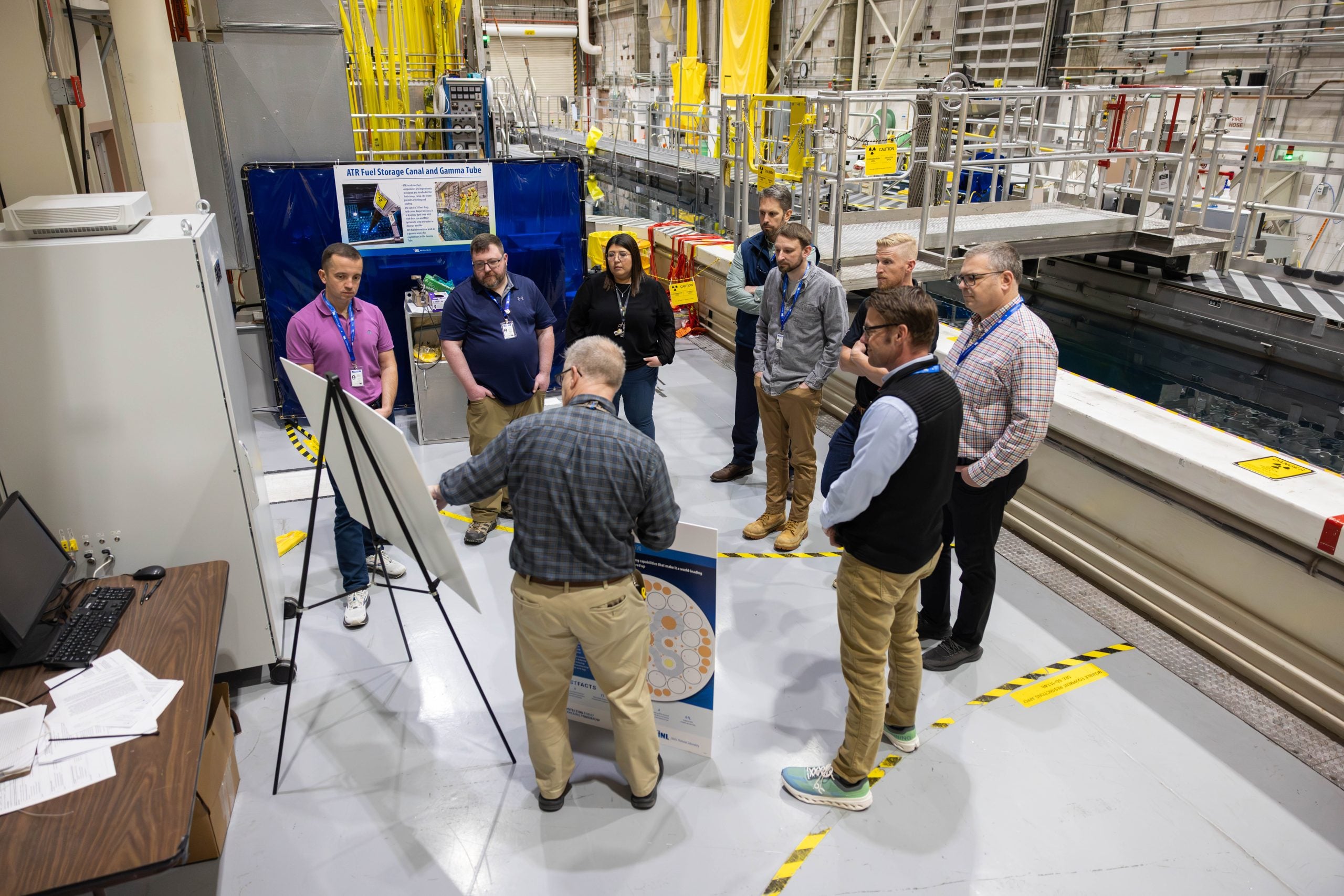
The 12-month (January – December) fellowship consists of quarterly week-long seminars, plus strategic online presentations in between the quarterly sessions.  Classroom information and tabletop exercises include:

  • Application of the Cyber-Informed Engineering (CIE) framework and training to introduce participants to INL’s Consequence-driven Cyber-informed Engineering (CCE) methodology for mitigating risk from cyber sabotage
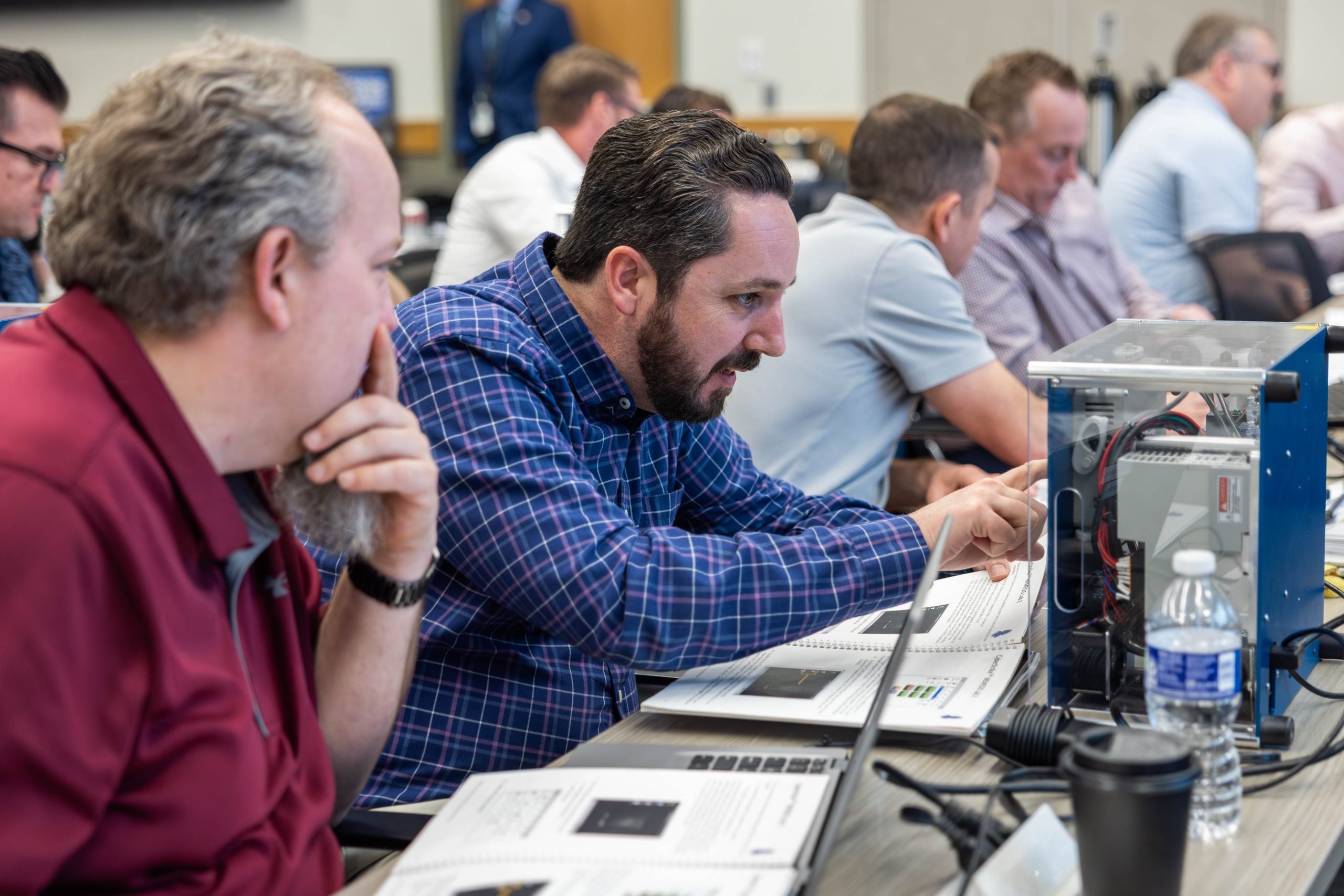
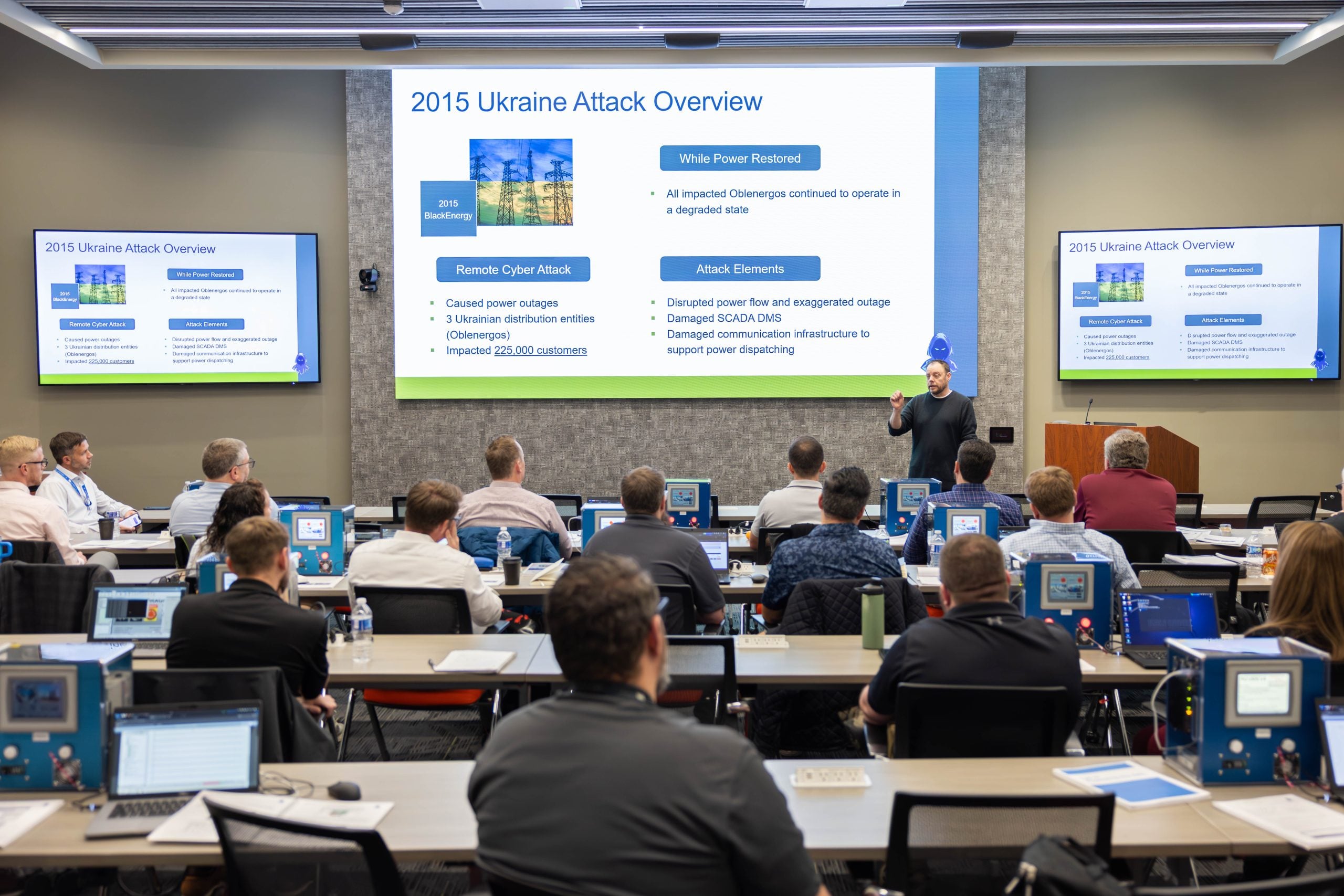
  • Tailored running of CyberStrike, a hands-on training course designed in the aftermath of cyberattacks on Ukraine’s power grid
  • Four hours training course, “Principles of Cyber-enabled Sabotage & Engineering Protections”
  • Deep dives into the links between utility missions and capabilities and the needs, missions and capabilities of federal agencies including DOE, the Federal Bureau of Investigation, the Department of Homeland Security’s Cybersecurity & Infrastructure Security Agency, Office of the National Cyber Director, National Security Agency, US Secret Service, and the Transportation Security Administration
  • Briefings from U.S. government officials on nation state defense strategies and adversarial geopolitical strategies
  • A real-world, scenario-driven capstone exercise integrating knowledge gained through the Fellowship
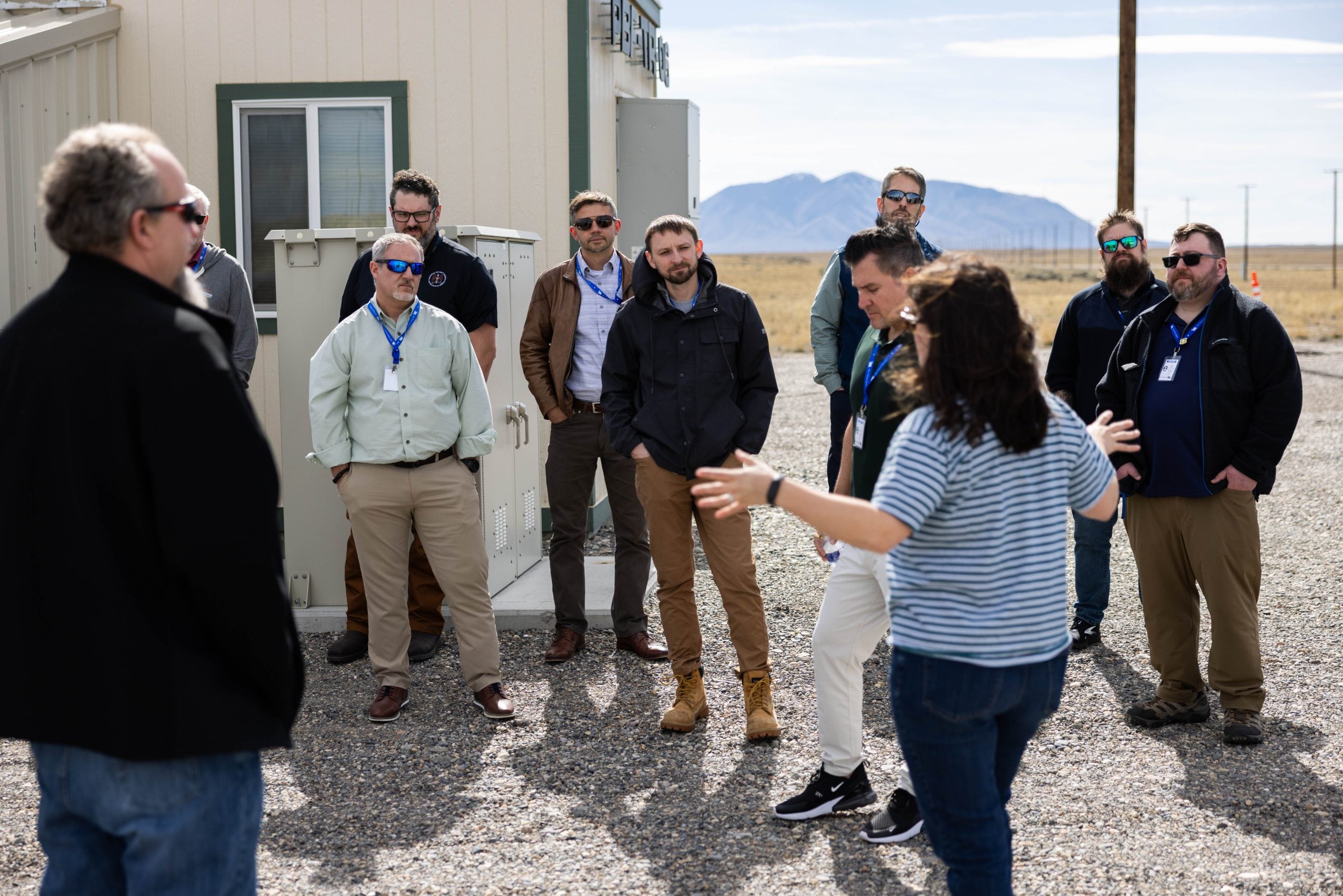
  • In-person visit to an OT Defender Alumni site
  • Continued engagement post-cohort-year through OT Defender Alumni Program

Alumni Program

The Operational Technology Defender Fellowship Alumni Program aims to foster continued collaboration and knowledge sharing among fellows, industry peers, and government agencies in the field of energy infrastructure OT cybersecurity.

Engagement opportunities include:

  • Virtual Conference Series
  • Annual OTDF Alumni Summit and cybersecurity conference engagement
  • Special alumni-led projects
  • Industry collaboration with United States Government agencies and national laboratories on research and piloted/new technologies

Benefits

  • Develop an increased understanding of adversarial cyberthreats to critical infrastructure, the potential for a cyberattack to result in physical effects, and current capabilities for detection of, defense against, and recovery from these attacks.
  • Gain an enhanced awareness and understanding of the U.S. government’s energy infrastructure cyber defensive strategy as well as related adversarial geopolitical impacts.
  • Develop and discuss strategies to better organize, consume, and operationalize tactical information about indicators of cyberattacks on critical energy infrastructure.
  • Build and enhance relationships between energy sector and government cybersecurity managers to increase cyber defense preparedness.
  • Discover strategic and tactical approaches, sources of actionable information, and industry peer connections to apply within their organizations.
  • Networking and educational opportunities continue in perpetuity through continued Alumni engagement and training.
  • Engage in post-fellowship opportunities, including consulting with DOE on research programs and providing insights on the U.S. energy infrastructure to federal agencies.

Sponsor and Participating Organizations